
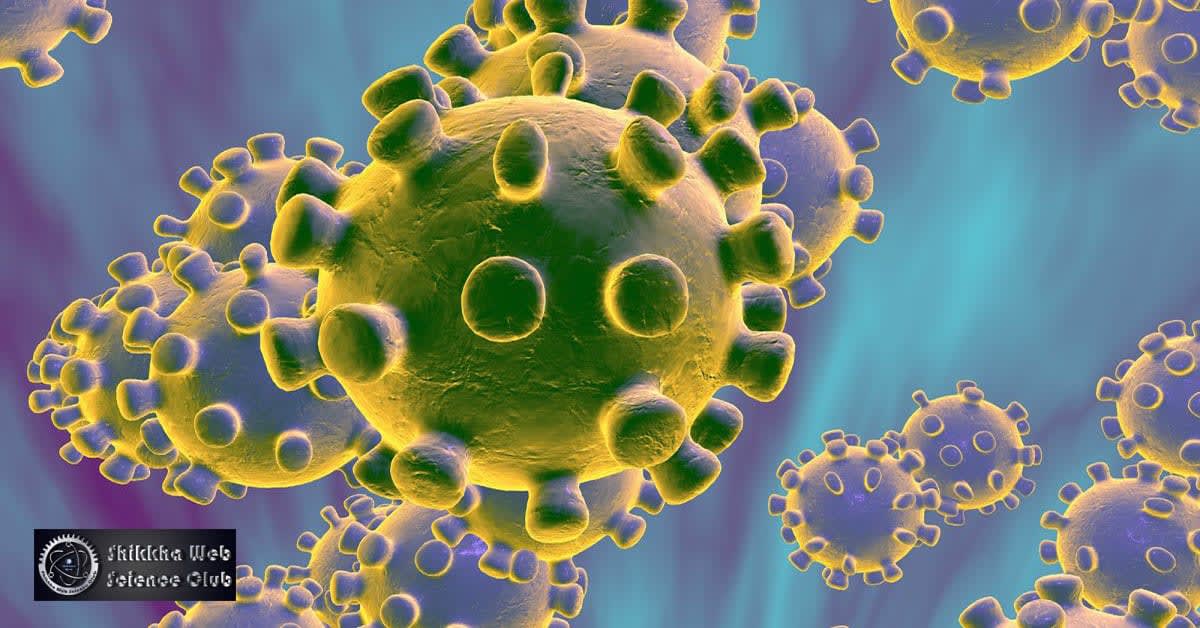
The most discussed topic at present is the coronavirus, one species of which is 2019-nCoV, short for Novel Corona Virus. Because this pandemic-causing virus is entirely new, close to 30,000 people have died so far for want of a vaccine! So let's learn about it in detail.
What are the coronavirus and COVID-19?
Corona is a kind of infectious virus. Until now there were 6 species of infectious coronavirus in total. With the arrival of this new 2019-nCoV the count stands at 7.
The coronavirus is nothing new. It wreaked havoc in China much earlier (in 2002) through an epidemic disease called SARS, or Severe Acute Respiratory Syndrome.
The disease caused by the corona species 2019-nCoV has been named COVID-19, short for Corona Virus Disease.
What are the symptoms of COVID-19?
1. Fever 2. Cough 3. Cold 4. Difficulty breathing 5. Sore throat 6. Headache 7. Pneumonia
These are the most commonly expressed symptoms. An infected patient usually begins with fever. Then symptoms such as a dry cough and a cold appear. About a week after all this, breathing difficulty appears. Because this virus attacks the lungs, breathing trouble develops. Research has found, though, that 17% of patients had no symptoms at all. That is exactly why it is essential for everyone to stay in quarantine for 14 days and to be tested afterwards.
Who is most at risk from COVID-19?
Those aged 50 and over, those whose immune system is weak, and those who are already unwell are at the highest risk from COVID-19. The death rate is lowest among people aged 0 to 30, and rises with age from there.
What is quarantine?
Put simply, quarantine is the arrangement of temporarily separating those who may have been infected with the coronavirus. In that case the person has to stay in quarantine for 14 days, because it takes roughly 14 days for the symptoms of COVID-19 to appear.
These 14 days are extremely important for a suspected patient. For even if they have COVID-19, the symptoms do not appear during this time, so the virus can spread to as many people as they meet. That is why during this period the person must stay confined to a fixed place and maintain social distance.
If symptoms of the disease appear during quarantine, the person will be taken into isolation.
What is isolation?
If a person is infected with COVID-19, they are taken into isolation for treatment. It must be remembered that being infected with COVID-19 does not mean death. In most cases everyone is recovering.
Many people ask at this point: if no vaccine has been invented, how will treatment be given? Treatment in this case is not given with a vaccine. Ordinary treatment is given for the symptoms (fever, cold, breathing difficulty, pneumonia and so on).
What part do masks play?
Not one of the masks in common use in our country is suitable for COVID-19. To stay safe from COVID-19 the advice is essentially to use an N95 mask, which is not available in Bangladesh. The masks the hawkers are selling are substandard, counterfeit goods of their own making.
In dealing with corona, though, following the rules matters more than the mask.
What should we do?
1. Stay at home during the lockdown. 2. Use soap, handwash or sanitiser repeatedly. 3. Stay clean. 4. Maintain social distance. 5. Use a mask when going out. 6. Stay in quarantine for 14 days if there is a chance of infection. 7. Eat nutritious food to build up the immune system. And so on.